Families create safety plans after a scare. Mine started after a backyard barbeque where a young child choked on a grape. The papa iced up. The mom howled. A next-door neighbor, a retired paramedic, stepped in with calm hands and a basic method that cleared the respiratory tract prior to the initial siren wailed. The child was fine. The lesson stuck. Plans matter, and practice sits at the heart of any type of plan that works.
A household safety and security strategy is more than emergency telephone number on the refrigerator. It is a living framework of what your family does when the regular breaks, from a sprained ankle joint on a route to chest pain in the middle of the evening. First aid training and a CPR course anchor that framework, turning concern into a sensible sequence of activities. When someone in the family members understands exactly how to analyze, act, and hand off to professionals, minutes come to be meaningful. Those mins can conserve lives or restriction long‑term harm.
The duty of first aid in a genuine household plan
When I construct or revise a household security plan for clients, I begin with their most likely risks, not heading disasters. Houses with young children fret about choking and kitchen area burns. Teenagers bring sports injuries, allergic reactions, and periodically poor decisions around water. Older adults present cardiac threat, medicine communications, and falls. Pets add their own peculiarities. Location issues as well. Country family members deal with longer ambulance times. City homes commonly have rapid access to aid, however difficult discharge paths.
First help training translates these patterns into action. It educates you just how to acknowledge an emergency, focus on, and avoid making points even worse. That last item obtains much less interest than it should have. Knowing when not to move someone with a suspected spinal injury, or when to avoid food or drink after head injury, commonly avoids secondary damage. The training likewise provides the person in charge a steady voice. In a worried area, calm instructions carry weight, and that solidity spreads.
Well developed plans are easy under anxiety. You desire 3 or four actions that every person can keep in mind. That is where first aid and CPR training, whether from a recreation center or a supplier like First Aid Pro, fits in. The very best first aid courses show a psychological list, so your mind grabs a pattern, not panic.
The core abilities every house ought to cover
Not all first aid courses are equal, and not every skill applies to every family. Beginning with basics that cross circumstances and age groups.
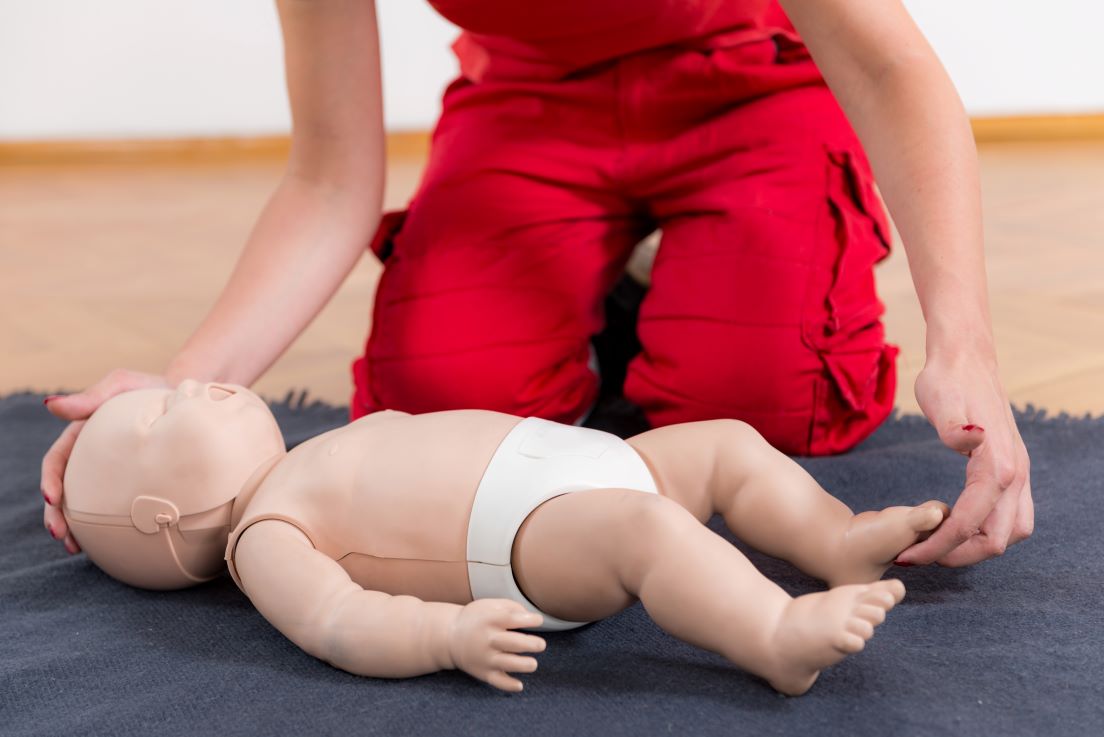
Airway and breathing. Choking, bronchial asthma strikes, an opioid overdose, and drowning share a typical string. You need to know just how to maintain air moving. A solid first aid and CPR course will certainly show you exactly how to analyze breathing, clear a light blockage with cough training, and respond to a severe obstruction with back blows and abdominal embed adults and kids. It will certainly likewise cover baby alterations, where you make use of back slaps and chest drives as opposed to abdominal pressure. If someone in the home takes opioids or you host gatherings where mixing of substances could take place, add naloxone training. Several areas permit laypeople to carry and carry out it.
CPR and AED usage. Heart attack looks like abrupt collapse, no normal breathing, and no response to voice or touch. In those initial few mins, the chance of survival hinges on high‑quality chest compressions and very early defibrillation. A CPR course that includes AED training gives you a certain regimen: call for help, start compressions at the ideal depth and price, switch rescuers every 2 minutes ideally, and use the AED pads as soon as they show up. If your structure or club has an AED, discover where it is and how to access it after hours. Technique opening up the cupboard and turning it on. Equipments differ greater than you think.
Bleeding control. Major blood loss becomes life threatening faster than people anticipate. First aid training need to cover direct stress with gloved hands and fabric, injury packing for deep bleeds, and the secure use industrial tourniquets. Homes that collaborate with power tools, maintain livestock, or spend time hunting or backcountry hiking need to definitely practice tourniquet positioning on arm or legs. Keep a tourniquet in the household first aid package and shop another in the car. Secs count when you are far from help.
Allergic reactions and anaphylaxis. If any person in your family members lugs an epinephrine auto‑injector, make sure at the very least 2 adults and any kind of older children know when and exactly how to utilize it. First aid and CPR courses commonly touch this ability, yet a brief refresher from the recommending clinician assists. The pattern to learn is acknowledgment of multi‑system involvement, use of epinephrine early, and immediate contact us to emergency situation solutions, even if symptoms improve.
Head, neck, and spine analysis. A lot of drops are small. A couple of are not. A first aid course will teach warnings, like loss of consciousness, duplicated throwing up, extreme headache, or neurologic modifications. It likewise covers basic assistance and immobilization while you await help. This is not regarding playing paramedic. It is about not making injuries worse up until the professionals arrive.
Burns and scalds. Families undervalue exactly how rapidly burns take place around kettles and stoves, and how much damages a hot drink can do to a young child's skin. Training aids you remember to cool the melt under running water for as much as twenty mins, remove precious jewelry, avoid ice, and cover with a tidy, non‑fluffy dressing. Understanding when to seek professional care issues too. Chemical and electrical burns require immediate analysis, no matter exactly how minor they look.
Medical emergencies. Bronchial asthma, diabetes, seizures, and stroke present in a different way, yet the structure continues to be: assess responsiveness, breathing, and flow, telephone call for help early, offer supportive actions within your training, and avoid hazardous errors. A stroke acknowledgment device, like quick, belongs in every person's memory. So does the calm act of turning a person recovering from a seizure onto their side and viewing their breathing until they are fully awake.
Choosing the right first aid course and CPR training
I see households sign up for the wrong class constantly. They select the fastest, least expensive alternative, obtain a card, and uncover later on that essential subjects were missing. You will do far better if you connect your goals to the offering.
If you look after infants and young children, look for first aid and CPR courses that especially cover pediatric skills. Baby choking feedback and infant CPR differ from grown-up methods. Child care companies and foster moms and dads commonly require a certain first aid certificate, so validate the name and degree your company recognizes.
If your work environment needs certification, speak to your safety police officer or HR. They typically have a checklist of approved courses and revival periods. Select a program that fulfills both job guidelines and home needs if possible. That way you maintain abilities existing with one revival cycle.
If your timetable is limited, a mixed format functions well. Many suppliers, consisting of programs like First Aid Pro and similar organizations, run online concept with an in‑person sensible. The hands‑on session matters. Watching compressions on a display is not the like feeling the springtime of a manikin and finding the ideal rhythm.
If you currently hold a card but feel corroded, take a CPR refresher course yearly and a full first aid course every two to three years. Proof evolves. So do guidelines on compression proportions, bleeding control strategies, and shock management. Even the language modifications, which impacts exactly how steadly you can coach an untrained assistant during an emergency.
If you prepare to function as the family members factor person, choose a class that allows additional practice time. Ask the instructor to stay a couple of minutes after the session for inquiries. Excellent instructors welcome real‑world circumstances. Raise your child's bronchial asthma background, your senior dad's blood thinners, or your split‑level residence with slim staircases. Translate theory right into your flooring plan.
Putting training into the family members security plan
A strategy that lives just in your head will certainly fail precisely when you require it. Compose a concise security document and maintain it short sufficient to check out in under two minutes. Connect lists and maps as appendices if valuable. A lot of households can cover the fundamentals on a single web page and a shared folder on the cloud for details.
Start with functions. Determine that calls emergency situation services, that fetches the first aid package and AED if available, that satisfies responders at the door, and who gathers children or pet dogs in a risk-free area. In tiny households a single person will put on a number of hats. That is fine. Clearness beats complexity.
Note clinical histories and special considerations. Checklist allergic reactions, routine drugs, and persistent conditions for every relative. Consist of places of inhalers, epinephrine auto‑injectors, sugar gel, or naloxone. If a teen maintains an inhaler in a backpack, compose that down. Throughout an emergency you intend to reach for the right bag without thinking.
Map your home. Draw a basic design with leaves, the major electrical panel, gas shutoff, first aid set, and fire extinguishers. Tag spaces with very easy terms that match what you claim in daily life. If your family members calls the den the back area, write back space on the map. Accuracy helps when you are giving instructions to a -responder over the phone.
Pick primary and additional conference factors outside the home, and define the route to arrive. Choose places that maintain you out of -responders' method. The far sidewalk nearby is much better than the driveway next to the engine bay.
Plan interaction. Shop emergency situation numbers in every phone under clear labels. Instruct kids exactly how to call from locked screens and exactly how to provide your address. If you stay in a building with several entries, write down the most effective access for emergency teams. It conserves minutes when they do not have to backtrack.
Practice twice a year. Utilize a weekend break morning. Run through a scenario for fifteen mins. One month pretend you uncover a kitchen fire and leave the apartment or condo. An additional month imitate a collapsing episode and have a teenager practice the emergency telephone call manuscript while one more person does a primary analysis. Maintain it light, and maintain it real.
Building and keeping the right first aid kit
A kit is a tool, not a talisman. Off‑the‑shelf kits differ from excellent to worthless. I favor a custom build with components you have really managed in a first aid course. Aim for 2 packages, one larger at home and a portable version in the vehicle or daypack. Shop sets where you can reach them without relocating furniture.
For a family package, I focus on gloves, injury shears, diverse sterilized dressings, adapting bandages, adhesive tapes, clinical tape, saline for eye watering, a digital thermometer, immediate ice bags, tweezers, a tourniquet, hemostatic gauze, triangular plasters, a CPR face shield or pocket mask, and an emergency blanket. Then include individual medications and matches of crucial devices like an inhaler spacer.
Label bags plainly. When a next-door neighbor goes to get hold of the tourniquet, they should not have to open up 6 zip bags to find it. Color coding aids. Red for hemorrhaging, HLTAID009 CPR Course Maitland blue for breathing, environment-friendly for comfort supplies. You can buy modular coordinators or repurpose long lasting pouches.
Check your set monthly the initial couple of months, after that quarterly. Consumables migrate. Batteries die in flashlights. Glue breaks down in warmth. Turn stock similar to cupboard food. If you utilize something, replace it that day. Maintain a straightforward spread sheet CPR training Fullarton in your shared household folder with amounts and expiration days. It takes 5 mins to upgrade and conserves you from surprises when you need the gear.
The CPR and AED void in the house and in the neighborhood
Most heart attacks occur in the house. Yet most AEDs stay in workplaces, fitness centers, and malls. That inequality should have interest. You can not set up an AED in every living-room, but you can map the closest systems in your neighborhood. Numerous neighborhoods listing AED places online. Some building managers will set up one in the lobby if homeowners ask and use to host CPR training onsite. I have actually seen condo associations swimming pool funds to buy an AED, install it in a common hallway, and hold twice‑yearly CPR training for locals. That is a sensible fix to an actual gap.
If you train youth sporting activities, push to maintain an AED field‑side and to train all trainers, not just the head coach. Unexpected heart attack in teenager athletes is unusual however not zero, and adult viewers are at risk also. Quick defibrillation inside the very first couple of mins changes the odds from grim to survivable. If your organization turns fields, make a laminated card that notes the closest AED at each location and tape it inside the tools bag.
Adults, kids, and method that sticks
You discover CPR and first aid with your hands as much as your head. Abilities degeneration rapidly when they rest on a rack. Grownups fail to remember compression depth and the steps of making use of an auto‑injector. Teens shed the cadence of the 30 to 2 cycle and the feeling of a proper head tilt. Plan short refreshers. 10 minutes on a manikin around the dining table two times a year assists greater than a marathon program every five years.
Kids deserve their very own track. Kids as young as 7 can find out to identify an emergency situation, telephone call for assistance, and bring a grown-up the first aid set. By nine or ten, many can be instructed to put someone in the healing placement and to bring and hand over an AED. Teens can complete a first aid and CPR course, earn a first aid certificate, and come to be real partners in the family strategy. I have watched fourteen‑year‑olds handle a bronchial asthma flare comfortably because they practiced with a spacer and inhaler while a sibling role‑played distress.
Make technique spirited when you can. Turn the recuperation setting into a timed puzzle. Conceal the first aid package and have kids find it with verbal clues imitating a phone call. Role‑play a 000, 911, or 112 telephone call, and button sides so every person tries both caller and dispatcher. The brain holds onto memories identified with emotion and novelty.
Integrating special conditions and complex households
Not every household fits a tidy mold and mildew. Grandparents check out for months at a time. University kids return with brand-new drugs. A parent works nights, and the various other adult manages supper thrill and homework marathons alone. Mixed families handle various addresses. The plan ought to flex.
If language obstacles exist, write a brief emergency situation card in the favored language and in the local emergency situation language. Keep it by the landline and on the fridge. Include the address in both scripts. I have actually seen -responders battle to understand a panicked customer. Checking out a prepared line in the emergency situation language, also miserably, clears confusion fast.
If a person in the family has wheelchair difficulties, strategy discharges with their devices. Method relocating a mobility device down a stairway with a neighbor's aid. Examination whether the smoke alarm's strobe choice wakes a hard‑of‑hearing relative. Think about bed shakers that link into alarm systems.
If your family members shops firearms, include risk-free storage space into the plan. During an emergency, -responders might go into rapidly. Locking treatments should be straightforward and regular. If you continue your individual, decide beforehand exactly how you will certainly secure the weapon before responders get here, and method that choreography. Clearness safeguards everyone.
If you share wardship, sync strategies throughout homes. Settle on meeting factors, meds storage space, and which moms and dad updates the shared clinical sheet. Emergencies do not respect schedules. Neither should your preparation.
When training satisfies the untidy actual world
Textbook cases are clean. Life is not. Anticipate partial information, loud areas, and clashing point of views. A great first aid course prepares you to breathe, scan the scene, and sequence your activities. It also prepares you to remain within your training. You can do a whole lot without stepping into intrusive territory.

I have stood in kitchens where a well‑meaning relative wanted to offer a fainting person orange juice before we had actually examined their air passage and pulse. I have seen an instructor wait to make use of a colleague's epinephrine auto‑injector because the bundle said prescription. Training provides you the confidence to claim, this pattern fits anaphylaxis, utilize the pen now, after that call emergency situation services. It likewise assists you say no. No, we are not driving them ourselves throughout town with intensifying upper body discomfort. No, we are not putting butter on a burn.
Expect bystanders to film. It is the age we stay in. Assign a person to take care of the group if you can. Inquire to clear space, maintain doors open for -responders, and overview family members who are worrying to a chair with a glass of water. Offer straightforward, straight tasks. Still anxiety feeds turmoil. Valuable tasks develop a bubble of order.
Keeping documents and determining readiness
A plan develops when you treat it like maintenance, not a one‑off. After any occurrence, debrief. What worked out. What obstructed. Did the emergency situation telephone call connect rapidly. Did any person freeze since they were uncertain of their function. Did the first aid package open easily or take off right into a confetti of gauze.

Update your files. If you altered an inhaler brand name, replace the picture in the strategy so a babysitter gets the appropriate one. If your telephone number transformed or your building set up a new entrance code, fix it everywhere. Share updates with caregivers, grandparents, and normal caretakers. I maintain a simple revision log at the bottom of a household plan. Day, change, initials.
Use renewal dates as anchors. Place CPR training expirations, first aid certificate renewals, and AED battery replacement dates in the family members schedule with pointers 60 and thirty days out. The mild nudge maintains small tasks from coming to be huge gaps.
Choosing trustworthy training and staying clear of red flags
Reputation issues. CPR training Osborne Park A solid first aid course equilibriums proof and usability. Search for programs that comply with present standards from identified resuscitation councils, that allocate generous time for hands‑on practice, and that employ trainers with current area experience or credible training backgrounds. Excellent instructors welcome inquiries, approve adjustments when proof changes, and maintain circumstances grounded.
Be careful of classes that guarantee accreditation in impossibly brief windows without functional parts, that skip AED usage, or that still educate methods that have actually befalled of support. For instance, routine altitude for bleeding control without straight stress is obsoleted, and so is long term checking for breathing before beginning compressions. A course should also resolve regional truths. Urban apartment or condos, country roads, and coastal communities each bring unique challenges.
For families that want open enrollment and adaptable scheduling, companies like First Aid Pro and their peers frequently run weekend break and night sessions. Shop with a few concerns. Ask about course dimension caps, manikin to student proportions, combined options, and whether they include pediatric content by default or as an add‑on. If you need a CPR correspondence course only, confirm whether the session satisfies the requirements of your work environment or sport association so you do not replicate initiative later.
A short, functional drill you can run this week
- Pick a circumstance that matches your highest possible household risk, such as choking throughout dinner or a fall on the stairs. Set a 15‑minute timer. Assign roles. Run the event in genuine time, consisting of the emergency situation telephone call script, bring the first aid set, and guiding responders to the door. Debrief for 5 minutes. Write down something to deal with, something to exercise once again, and one product to include or replace in the kit.
One drill defeats a loads objectives. A lot of households find tiny frictions, like a secured stairwell door or a set stashed behind a tool kit, that they can take care of in an afternoon.
Why first aid and CPR belong in the society of the home
Skills change just how a household moves through the world. A kid who watches a moms and dad practice calm actions finds out that emergencies are troubles, not revelations. A partner that has done breast compressions on a manikin knows what 100 to 120 per minute feels like and will certainly not think twice if you collapse. Grandparents that practice their medicine checklist and keep it on a purse card will certainly hand a paramedic what they require in 10 seconds, not ten minutes.
Training also teaches limits. You discover to call for specialist assistance quick, to hand off easily when they arrive, and to leave advanced interventions to those with the gear and the permit. That regard maintains scenes more secure and care much better coordinated.
The grape that created our barbecue scare ended up being a staple example in my community courses. We practice with cut grapes for young children, we practice the hand placement for stomach drives, we practice the move of a calm voice over a crowd. With each rep, what felt like luck develops into repeatable skill.
First aid, CPR, and a thoughtful strategy weaved with each other. If you take a first aid course that fits your house, revitalize your CPR training on a routine rhythm, keep your package stocked with devices you can really utilize, and pierce a couple of times a year, your household will not be perfect. You will certainly prepare sufficient, which is what counts when the air goes thin and the secs stretch.